


When a plastic component needs the strength of metal, the reliability of a threaded connection, or the electrical conductivity of a metal contact, traditional injection molding may not be enough. Manufacturers often need a solution that combines different materials into one functional component without relying on multiple assembly operations.
This is where insert molding becomes valuable. By placing a metal or other preformed component inside an injection mold and molding plastic around it, manufacturers can create integrated parts designed for strength, dimensional stability, and reliable performance.
For OEM product teams, understanding insert molding is not just about knowing how a manufacturing process works. It is about deciding whether a component should be designed as a single integrated part, how the materials should interact, and whether the production process can meet long-term quality and cost requirements.
At Kenmold, insert molding is part of a broader manufacturing capability that combines injection mold tooling, plastic injection molding, and OEM product manufacturing. This guide explains the process, applications, design considerations, and important questions buyers should ask before selecting an insert molding supplier.
What Is Insert Molding?
Insert molding is an injection molding process in which a pre-manufactured component, commonly a metal insert, is positioned inside a mold before molten plastic is injected around it. Once the plastic cools and solidifies, the insert becomes an integrated part of the finished component.
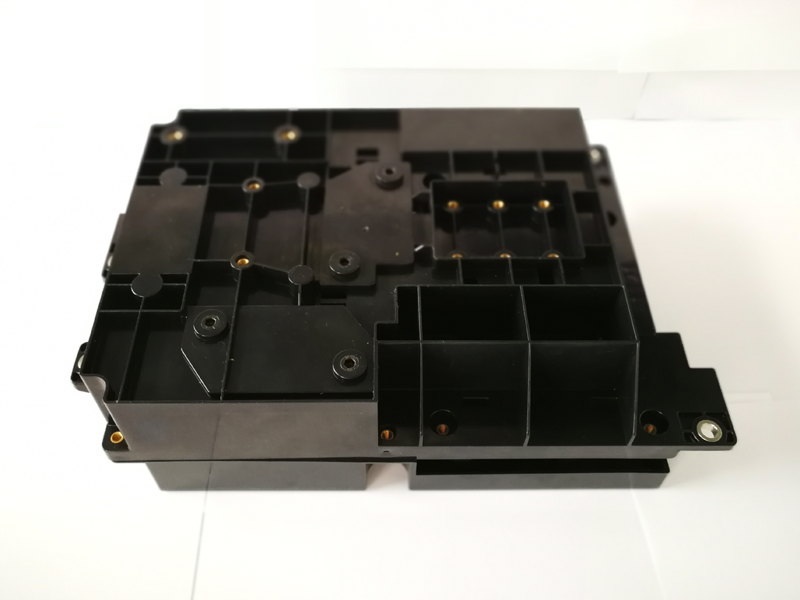
The insert may be a brass nut, stainless steel screw, metal pin, threaded bushing, electrical contact, or another functional component. Depending on the product design, ceramic and other preformed materials may also be incorporated.
In simple terms, insert molding combines a preformed component and injection-molded plastic into one integrated product during the manufacturing process.
Unlike conventional plastic injection molding, which produces an entirely plastic part, insert molding introduces an additional material before injection. This allows engineers to use metal where mechanical strength, conductivity, or wear resistance is required while retaining the lightweight and design flexibility of plastic.
For OEM manufacturers, this approach is particularly useful when a product needs secure threaded connections, reinforced mounting points, electrical connections, or other functional features that would be difficult to achieve with plastic alone.
How Does the Insert Molding Process Work?
Although insert molding may appear straightforward, successful production requires careful coordination between insert positioning, mold design, material selection, and injection parameters.
The typical insert injection molding process involves the following stages.
Insert preparation: Metal inserts are manufactured according to the required dimensions and specifications. Their surfaces may be cleaned, treated, or prepared to improve compatibility with the molding process.
Insert positioning: The insert is placed into a designated location within the injection mold. Depending on the production setup, positioning can be performed manually, with fixtures, or through automated equipment.
Mold closing: The mold closes and holds the insert in its intended position. The mold structure must prevent movement during plastic injection.
Plastic injection: Molten plastic flows into the mold cavity and surrounds the insert. Injection pressure, temperature, material flow, and insert positioning all influence the final result.
Cooling and solidification: The plastic cools and forms a mechanical connection around the insert. The design must account for material shrinkage and differences in thermal expansion.
Part ejection and inspection: The finished component is removed from the mold and inspected for insert position, dimensional accuracy, surface quality, and functional requirements.
In production, the details of each stage depend on the component geometry, insert material, resin selection, mold construction, and expected production volume.
Insert Molding vs. Overmolding: What Is the Difference?
Insert molding and overmolding are closely related manufacturing processes, but they are not exactly the same.
Insert molding generally focuses on incorporating a preformed component, often metal, into an injection-molded plastic part. Overmolding involves molding one material over another substrate, which may be plastic, metal, or another material.
For example, a brass threaded insert surrounded by engineering plastic is a typical insert molding application. A soft thermoplastic elastomer molded over a rigid plastic handle is a common overmolding application.
The main differences are related to the materials being combined and the functional purpose of the finished product.
| Comparison | Insert Molding | Overmolding |
|---|---|---|
| Main purpose | Integrate a preformed component into plastic | Mold one material over another substrate |
| Typical insert | Metal nuts, pins, screws | Plastic substrates, metal or other materials |
| Common benefit | Mechanical strength and functional integration | Grip, protection, sealing, and material combination |
| Typical application | Threaded mounting points and electrical contacts | Soft-touch handles and protective surfaces |
Choosing between the two processes depends on the functional requirements of the component. If the main objective is to integrate a metal fastening feature into a plastic housing, insert molding may be the more suitable option. If the objective is to combine different plastic materials or add a soft exterior layer, overmolding may be worth evaluating.
Learn more about Kenmold's injection molding and overmolding capabilities to understand the available manufacturing options.
What Are the Main Benefits of Insert Molding?
Insert molding is widely used because it allows engineers to combine the functional advantages of different materials in a single component. Its value is particularly clear in products that require mechanical strength, reliable connections, and repeatable production quality.
Improved mechanical strength: Metal inserts can reinforce specific areas of a plastic component, especially around threaded connections, mounting points, and fastening locations.
Reduced assembly operations: Integrating inserts during injection molding can eliminate certain secondary installation steps, reducing handling and the number of separate components.
Better functional integration: A single molded component can incorporate both the lightweight characteristics of plastic and the strength or conductivity of metal.
Weight optimization: Engineering plastics can replace larger metal structures while retaining metal in areas where it is functionally necessary.
Improved production consistency: A properly designed mold and controlled molding process can produce repeatable insert positioning and part geometry across production runs.
Greater design flexibility: Engineers can combine different materials to meet specific mechanical, electrical, and structural requirements.
However, these benefits are not automatic. They depend on proper engineering, material compatibility, insert retention, mold design, and production controls. For example, poorly positioned inserts or insufficient plastic coverage can create weak points in the finished part.
Common Materials Used in Insert Injection Molding
Material selection is one of the most important decisions in an insert molding project. The plastic and insert materials must work together under the expected operating conditions.
Common metal insert materials include:
- Brass: Frequently used for threaded inserts, electrical contacts, and fastening features because of its machinability and conductivity.
- Stainless steel: Suitable for components requiring corrosion resistance, strength, and durability.
- Carbon steel: Used where mechanical strength and cost considerations are important.
- Aluminum: Selected for applications where lightweight metal features are beneficial.
- Copper: Used in applications requiring good electrical and thermal conductivity.
Common engineering plastic materials include:
- PA (Nylon): Commonly selected for mechanical components requiring strength and wear resistance.
- PC (Polycarbonate): Used when impact resistance and dimensional performance are important.
- ABS: Frequently used for housings and structural components.
- PC/ABS: Combines selected properties of polycarbonate and ABS, making it useful for many automotive and electronic applications.
- PBT: Often considered for electrical and mechanical components.
- PPS: Used in applications requiring higher thermal and chemical resistance.
The correct combination depends on operating temperature, mechanical loading, moisture exposure, chemical environment, electrical requirements, and production conditions.
OEM teams should also consider differences in thermal expansion between plastic and metal. These differences can influence residual stress, dimensional stability, and long-term insert retention.
Where Is Insert Molding Used?
Insert molding is used across industries where plastic components need integrated metal features or other functional inserts.
Automotive manufacturing
Automotive applications include battery module housings, mounting brackets, electrical components, connectors, and structural plastic parts. Metal inserts provide reliable fastening points while plastic helps reduce weight and supports complex geometries.
Kenmold has direct experience in this application area. Its automotive power battery module project uses PC/ABS injection molding with brass nuts and stainless steel screws incorporated through insert molding. The project also includes dedicated injection tooling using German 2738 core and cavity steel.
This is a practical example of how insert molding can integrate fastening features into automotive plastic components rather than treating metal and plastic as entirely separate assemblies.
View Kenmold's automotive power battery module insert molding project for more manufacturing details.
Electronics and electrical products
Electronic products often require conductive contacts, threaded fastening points, shielding features, and precisely positioned metal components. Insert molding can integrate these features into plastic housings and structural components.
Industrial equipment
Industrial components may require metal threads, reinforced mounting points, and durable plastic structures. Insert molding can help simplify product construction while maintaining the required mechanical functions.
Medical devices
Medical equipment may incorporate molded plastic components with metal connections, mounting features, or other functional inserts. Material selection, cleanliness, traceability, and manufacturing controls must be considered according to the device requirements.
For medical OEM projects, Kenmold also provides integrated manufacturing through its medical manufacturing operation, including cleanroom injection molding and assembly capabilities.
Explore Kenmold's medical OEM manufacturing capabilities for related production information.
Critical Design Considerations for OEM Insert Molding Projects
A successful insert molding project starts long before the first production run. Product engineers, tooling engineers, and manufacturing teams need to evaluate the component design together.
Insert positioning and retention
The insert must remain stable during mold closing and plastic injection. Positioning features, mold pockets, locating pins, and appropriate retention mechanisms should be considered during tooling design.
Plastic coverage and wall thickness
The plastic surrounding the insert must provide sufficient material for mechanical retention. Inadequate coverage can lead to cracking, insert movement, or reduced pull-out strength. Excessive material concentration may also increase the risk of sink marks or uneven cooling.
Thermal expansion and material compatibility
Metal and plastic respond differently to temperature changes. Engineers should evaluate thermal expansion, shrinkage, and operating temperature to reduce the possibility of stress around the insert.
Gate location and material flow
Gate placement should support balanced filling around the insert. Poor flow conditions can cause weld lines, air traps, incomplete filling, or inconsistent material distribution.
Insert geometry
Knurling, grooves, undercuts, and other retention features may improve mechanical engagement between the insert and molded plastic. The appropriate geometry depends on the application and required retention performance.
Quality inspection requirements
Inspection criteria should be established before production. Depending on the application, these may include dimensional inspection, insert position measurement, pull-out testing, torque testing, visual inspection, and electrical continuity testing.
For complex OEM components, design for manufacturability (DFM) reviews can identify potential problems before mold construction. This is especially important when the insert has tight positional tolerances or the finished component is exposed to vibration, repeated loading, or temperature changes.
Kenmold supports OEM programs through custom injection mold tooling and mold engineering, helping connect part design requirements with practical production considerations.
How Much Does Insert Molding Cost?
There is no universal price for insert molding. The total project cost depends on the mold design, insert specifications, plastic material, production volume, labor requirements, and quality expectations.
For OEM buyers, the main cost factors generally include:
- Mold tooling: Mold complexity, cavity count, insert locating mechanisms, machining requirements, and expected mold life.
- Insert components: Metal type, dimensions, machining or stamping requirements, and purchasing volume.
- Plastic resin: Resin grade, material price, drying requirements, and processing characteristics.
- Production method: Manual insert loading versus automated insert placement.
- Cycle time: Injection, cooling, loading, and part removal time.
- Quality requirements: Inspection frequency, testing methods, traceability, and acceptance criteria.
- Production quantity: Initial tooling investment and recurring unit cost must be evaluated together.
A lower unit price does not always mean a lower total manufacturing cost. If a conventional molded component requires several additional assembly operations, insert molding may offer a better overall production economics even when the initial tooling investment is higher.
OEM teams should request a quotation based on the complete project scope rather than comparing injection molding prices alone.
How to Choose the Right Insert Molding Manufacturer
Choosing an insert molding supplier involves more than comparing quotations. The manufacturer must understand the relationship between the metal insert, plastic material, mold structure, and final product requirements.
Before selecting a supplier, OEM product teams should evaluate several areas.
Engineering and DFM experience: Can the supplier review drawings, identify potential manufacturing risks, and recommend practical design improvements?
In-house mold tooling: Does the manufacturer have the tooling engineering and machining capabilities needed to develop molds for insert molding applications?
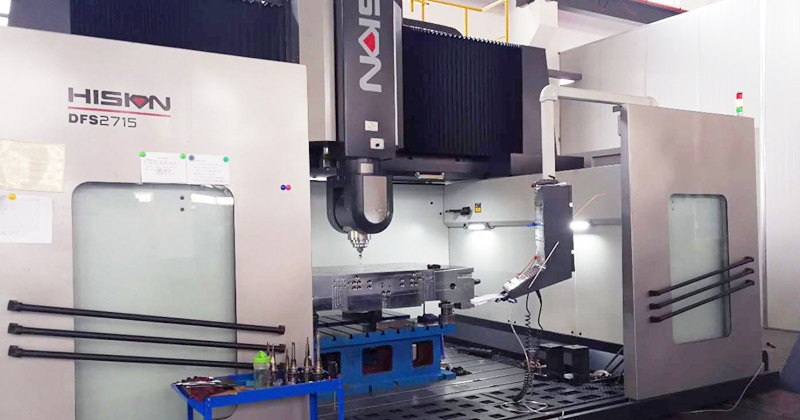
Injection molding capacity: Can the supplier support the required part size, production volume, resin, and process conditions?
Insert positioning controls: Does the manufacturer have a defined method for maintaining insert position and checking consistency during production?
Quality management: Can the supplier provide documented inspection procedures and testing results that match the product's functional requirements?
Project communication: Can engineering, tooling, production, and procurement teams communicate effectively throughout development and mass production?
Kenmold provides integrated mold tooling and injection molding services for OEM customers. According to its published manufacturing information, the company operates more than 20 injection molding presses ranging from 25T to 1250T and has a tooling engineering team with experience in American DME and European HASCO tooling standards.
Its capabilities also cover low-volume, high-volume, and short-run injection molding, allowing OEM teams to evaluate different production requirements within one manufacturing partnership.
Learn more about Kenmold's manufacturing background and OEM experience before discussing your next project.
Why OEM Teams Choose Kenmold for Insert Molding Projects
For OEM product teams, working with a manufacturer that understands both mold tooling and injection molding can simplify the development process. It allows engineering decisions to be evaluated against actual tooling and production requirements rather than treating each manufacturing stage as a separate task.
Kenmold provides an integrated approach to custom manufacturing, covering product development, mold tooling, injection molding, and value-added assembly services.
Several capabilities are particularly relevant to insert molding programs:
- Integrated tooling and molding: Mold development and injection molding capabilities support coordination between part design and production.
- Automotive insert molding experience: The company's documented PC/ABS battery module project incorporates brass nuts and stainless steel screws.
- Multiple production volumes: Injection molding services cover low-volume, high-volume, and short-run requirements.
- Tooling engineering expertise: Kenmold's engineering team has experience with DME and HASCO tooling standards.
- OEM manufacturing support: Additional services include assembly, inspection, printing, painting, and other value-added operations.
Rather than treating insert molding as an isolated production operation, Kenmold approaches it as part of the overall product manufacturing process.
For companies developing automotive components, electronic housings, industrial products, or other plastic components with embedded metal features, early engineering discussions can help determine the most suitable material combination and tooling strategy.
To discuss a project, visit Kenmold's contact page and share your product drawings, material requirements, estimated annual volume, and functional specifications.
Frequently Asked Questions About Insert Molding
What is insert molding in simple terms?
Insert molding is an injection molding process that places a preformed component, usually metal, inside a mold and injects plastic around it. The result is a single integrated component combining the properties of both materials.
What is the difference between insert molding and traditional injection molding?
Traditional injection molding forms a plastic part directly inside a mold. Insert molding adds a preformed component before injection, allowing the finished product to combine plastic with metal or another insert material.
What metals are commonly used for insert molding?
Brass, stainless steel, carbon steel, aluminum, and copper are common choices. The best material depends on the required strength, conductivity, corrosion resistance, weight, and application environment.
What plastics can be used in insert injection molding?
Common choices include PA, ABS, PC, PC/ABS, PBT, and PPS. Material selection should consider mechanical loads, temperature, moisture, chemical exposure, and compatibility with the insert.
Is insert molding suitable for automotive components?
Yes. Insert molding is used for automotive plastic components requiring threaded connections, metal fastening features, and integrated functional elements. Kenmold has documented an automotive battery module project using PC/ABS plastic with brass nuts and stainless steel screws.
Does insert molding reduce assembly costs?
It can. Integrating inserts during injection molding may eliminate separate installation operations, reduce component handling, and simplify production. Actual savings depend on tooling investment, production volume, labor, and assembly requirements.
What information should OEM buyers provide when requesting an insert molding quotation?
Buyers should ideally provide 2D drawings, 3D CAD files, insert specifications, plastic resin requirements, expected annual volume, dimensional tolerances, functional testing requirements, and the intended application environment.
Can Kenmold provide both insert molding tooling and production?
Yes. Kenmold provides injection mold tooling and injection molding services, supporting OEM manufacturing programs from tooling development to molded part production. Its documented automotive battery module project demonstrates experience with integrated metal inserts and plastic molding.
How can I start an insert molding project with Kenmold?
Contact Kenmold through its website and provide your product drawings, material specifications, insert details, and estimated production volume. The engineering team can then evaluate the project requirements and discuss suitable tooling and manufacturing options.
Start Your Insert Molding Project with Kenmold
Insert molding offers OEM manufacturers a practical way to combine plastic and metal components into integrated products. When supported by the right material selection, mold design, and process controls, it can improve product functionality, simplify assembly, and support consistent production.
However, the success of an insert molding project depends on more than the injection process itself. It requires a manufacturer that understands component design, insert retention, tooling construction, and production quality.
Kenmold brings these manufacturing capabilities together through its injection mold tooling, injection molding, and OEM production services.
If your next product requires metal inserts, threaded connections, or integrated plastic and metal components, contact Kenmold to discuss your insert molding requirements.


 +1 270-282-2096

